Not everyone who is angry expresses anger loudly, and not everyone who is quiet is at peace.
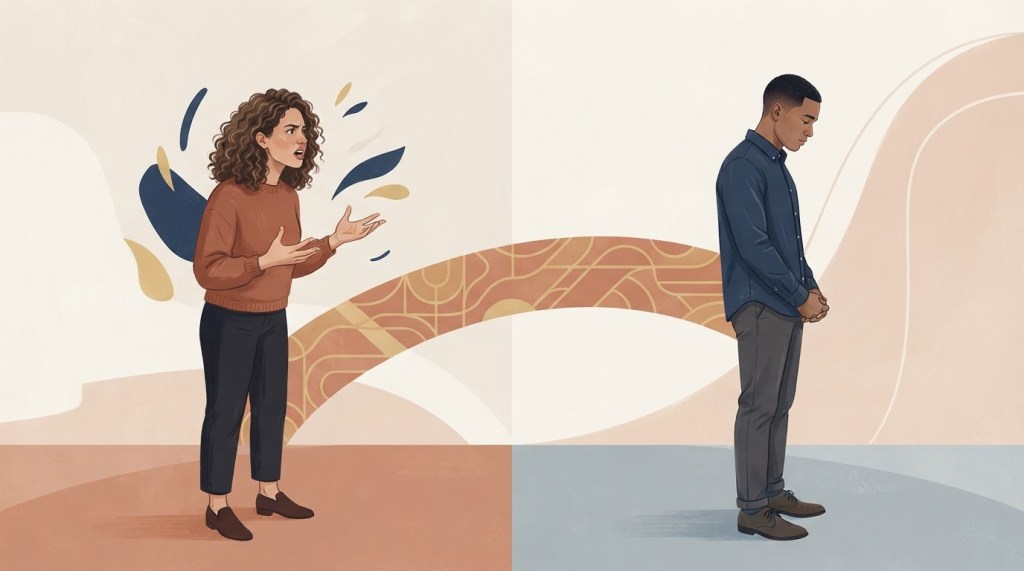
Have you ever met someone who gets angry and immediately raises their voice, confronts you, argues or expresses exactly how they feel?
And then there are those who become unusually quiet, distant, cold or withdrawn. They may say nothing, but their behaviour tells you that something is wrong.
Interestingly, both people may be experiencing the same emotion: anger. But they express it differently.
1. What is active anger?
Active anger is when someone expresses their frustration openly and directly. It can manifest through:
- Raising one’s voice or shouting.
- Confrontation and arguments.
- Expressing frustration immediately.
- Becoming defensive or aggressive.
- Saying hurtful things in the heat of the moment.
Sometimes, people who express active anger struggle to regulate their emotions before responding. However, expressing anger openly does not automatically make someone an aggressive or abusive person. There is a healthy way to communicate frustration, provided it is done respectfully.
2. What is passive anger?
Passive anger is often more difficult to recognise because it isn’t always expressed through words. Instead, it can manifest through:
- Silent treatment.
- Emotional withdrawal.
- Sarcasm and indirect comments.
- Deliberately ignoring someone.
- Resentment that is never openly discussed.
- Acting as though everything is fine while secretly harbouring anger.
- Withholding affection or communication as punishment.
Sometimes, people don’t know how to communicate that they are hurt. Others fear confrontation, rejection or the consequences of speaking up. So instead of saying, “What you did hurt me,” they withdraw.
It is important to distinguish taking space to calm down from using silence to punish or control someone. A healthy pause includes communicating that you need time and returning to the conversation when you are ready.
3. How do these two forms of anger affect our relationships?
In romantic relationships
Active anger can make a partner feel intimidated, unheard or emotionally unsafe. Passive anger can leave the other partner confused, constantly guessing what went wrong, and feeling emotionally disconnected.
One partner may demand answers while the other withdraws. Eventually, both feel misunderstood.
In friendships
Active anger can lead to unnecessary arguments and damaged trust. Passive anger can quietly weaken friendships through resentment, avoidance, jealousy, unspoken expectations and emotional distance.
Sometimes friendships don’t end because of one big argument. They slowly disappear because two people never learn to communicate what hurt them.
In families
Children can also be affected by how adults express anger. A home where people constantly shout can create fear and tension. Equally, a home where people use silence, emotional withdrawal or affection as punishment can create confusion and insecurity.
Children learn how to express emotions by observing the adults around them.
4. Anger is an emotion, not an excuse
We need to understand something important: being angry is human.
You are allowed to be disappointed. You are allowed to feel disrespected. You are allowed to express that someone has hurt you. But how you choose to express that anger matters.
You cannot continuously hurt people because you are angry, and you cannot continuously punish people with silence because you don’t know how to communicate.
Healthy emotional expression requires self-awareness, accountability and the willingness to have uncomfortable conversations.
Sometimes, the most mature thing you can say is:
“I am angry right now. I don’t want to say something hurtful, so please give me some time. I would like us to talk about this when I have calmed down.”
That is not weakness. That is emotional regulation.
5. Learning to express anger without destroying relationships
- Learn to identify what actually triggered your anger.
- Communicate your feelings instead of expecting people to read your mind.
- Take time to calm down before responding.
- Avoid using silence as punishment.
- Listen without immediately becoming defensive.
- Apologise when your expression of anger causes harm.
- Understand that being right does not give you permission to be cruel.
Let’s have an honest conversation
Are you someone who expresses anger immediately, or do you become quiet and withdraw when you are upset?
Have you ever lost a friendship or damaged a relationship because you struggled to communicate your anger?
And perhaps the most interesting question: Can someone who never raises their voice actually be more emotionally damaging than someone who openly expresses their anger?
Let’s talk about it.
Remember: The goal is not to become people who never get angry. The goal is to become people who understand their anger well enough not to allow it to control how they treat others.


Leave a Reply